
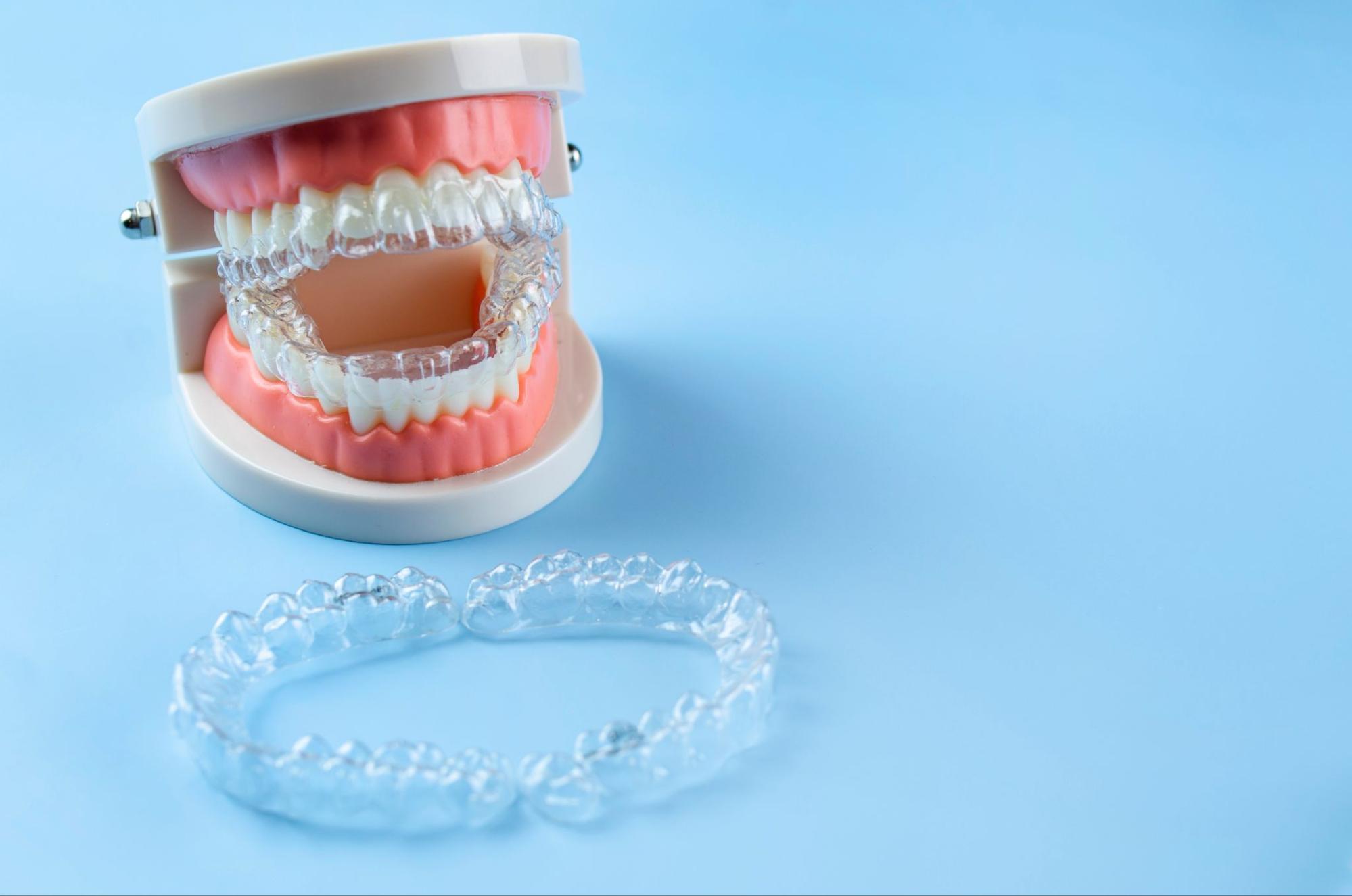
How can something nearly invisible make such a noticeable difference in your smile? In and around the Twin Cities metro, families have seen how Invisalignturns advanced orthodontic science into something surprisingly simple. Dr. William Kottemann, Dr. Kraig Kottemann, Dr. Scott Kottemann, Dr. Alisha Holt, and Dr. Angela Buksteinat Kottemann Orthodonticsuse this technology to create smiles that fit seamlessly into busy Minnesota lives. First, let’s explore how each Invisalign plan begins with digital design before the first tray is ever made.
Designing Your Invisalign Plan
Before the first aligner ever reaches your hands, there’s an entire story unfolding behind the scenes. Instead of old-school molds, the teamat Kottemann Orthodontics uses digital scanners that capture every detail in just minutes. You’ll see a 3D image appear on screen, almost like watching your future smile take shape in real time!
Dr. William Kottemann, Dr. Kraig Kottemann, Dr. Scott Kottemann, Dr. Alisha Holt, and Dr. Angela Bukstein study those scans carefully, shaping a plan that feels custom to you and your day-to-day life.
It’s equal parts science and artistry, transforming data into a treatment planthat fits seamlessly into your world. Next, let’s see how those digital plans become the clear aligners that make Invisalign work so effortlessly.
How Aligners Are Made and Work
Once your Invisalignplan is mapped out, the real magic starts. Every aligner is shaped from SmartTrack® material, a clear, flexible plastic designed to work quietly in the background as life keeps moving.
Instead of relying on bulky metal or wires, Invisalign shifts teeth using a sequence of custom trays that build progress step by step. Think of it as a playlist where each aligner is a new track, moving you closer to the finale!
Here’s how it all comes together:
- Custom-created traysare produced using your 3D scans, made to fit your teeth with remarkable accuracy.
- Gentle movement happens gradually, guided by the plan designed by your Kottemann Orthodontics doctors.
- Routine changes keep things simple, and most patients switch to the next aligner every one to two weeks.
- Daily flexibility means you can remove aligners for meals, brushing, or family outings.
Every detail is designed to blend into your day instead of taking it over. Next, let’s explore what life actually feels like once those first aligners are in place.
Everyday Life with Invisalign
After a few days, Invisalign starts to feel like second nature.
You’ll slip the trays in before heading to work or school, and by the time you’ve caught up with your morning routine, you might even forget they’re there. That’s the beauty of it, treatmentmoves forward quietly while life keeps its usual flow.
Smiling in photos, giving presentations, or chatting over dinner feels natural because nothing about your appearance changes. You can head to a game night with friends or grab takeout from Rock Elm Tavernin Plymouth without thinking twice about your aligners. There’s no extra fuss, no constant adjustments, and no major changes to how you go about your day.
It’s orthodontic carethat blends in, not takes over. Next, let’s take a look at how quick check-ins help keep everything on track from one set of aligners to the next.
Check-Ins and Progress Tracking
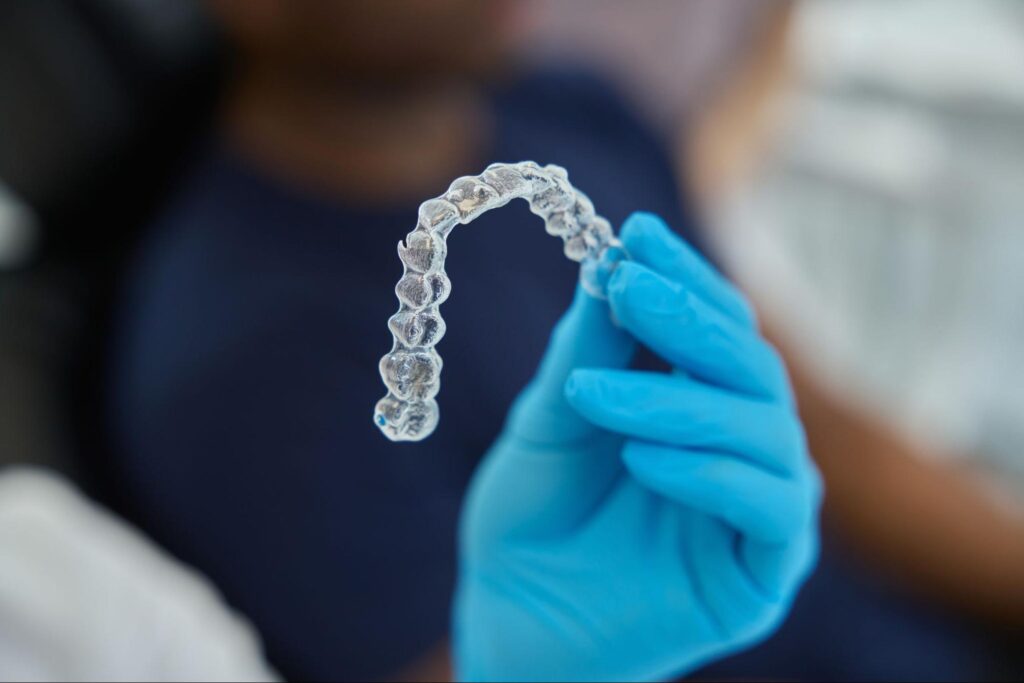
Invisalign might feel effortless day to day, but behind that simplicity is a steady rhythm of care that keeps progress moving right on schedule. The Kottemann Orthodontics team makes sure every check-in feels quick, encouraging, andworthwhile.
Regular Appointments That Work Around You
Appointments are spaced out every six to eight weeks, giving patientsplenty of time between visits. These check-ins are efficient and easy to fit in, whether you’re swinging by before work in Maple Grove or after dropping the kids off in Chaska. Each visit keeps things moving forward without taking up your day.
Tracking Progress with Precision
During each appointment, the doctors review your progress using your digital scans and treatment plan. Every movement is monitored carefully, and small refinements are made to keep everything right on pace. It’s the kind of attention that builds confidence, knowing your treatment is moving exactly as it should.
Consistent progress check-ins make the entire process feel seamless, giving you a clear sense of momentum from start to finish. Next, let’s explore how long Invisalign treatment usually takes and what influences that timeline.
How Long Does Invisalign Take?
Everyone’s timelinelooks a little different, but Invisalign treatment moves faster than most people expect. The team at Kottemann Orthodontics designs each plan around your goals and pace, so the process feels steady and achievable.
Here’s a general idea of what to expect:
- Typical treatment length: Most cases take 9–15 months, with gradual progress you can see along the way.
- Number of aligners:Patients usually go through 18–30 sets, switching every one to two weeks.
- Check-in rhythm:Quick visits every few weeks keep progress consistent without crowding your schedule.
- Timing influences: The complexity of movement and how consistently aligners are worn can shift the timeline slightly.
Many patients start seeing visible changes after the first few months, which makes the process feel motivating and worthwhile. Next, let’s see what happens once treatment wraps up and how retainers keep that new smile in place.
How Retainers Keep Everything in Line
Once Invisalign treatment is complete, retainersstep in to hold everything right where it should be. Kottemann Orthodontics provides both a bonded retainer, which keeps the attached teeth stable, and a removable retainer worn alongside it to maintain overall alignment. This combination gives patients lasting results while keeping the routine simple.
Most people wear their removable retainer full-time at first, then gradually switch to nighttime use. It’s a small habit that protects all the effort you’ve put in, helping your smile stay steady long after treatment ends!

Aligned with Minnesota Life
Invisalign treatment at Kottemann Orthodonticsfeels modern, personal, and easy to fit into real life! Dr. William Kottemann, Dr. Kraig Kottemann, Dr. Scott Kottemann, Dr. Alisha Holt, and Dr. Angela Bukstein bring a balance of experience and approachability that keeps families smiling across Maple Grove, Plymouth, Orono, and Chaska. Schedule your free consultationand see how advanced orthodontic care feels when it’s handled by neighbors who know your community as well as your smile.